13. June 2026
CAA Flying A Remote Piloted Drone
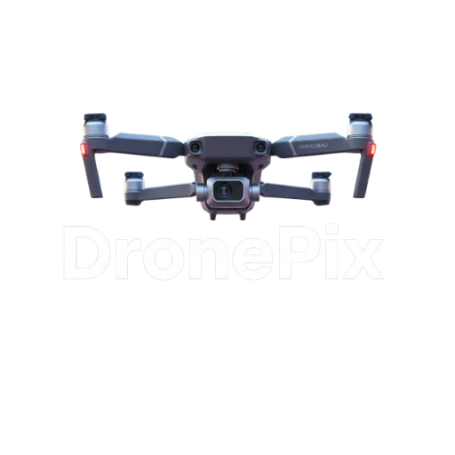
It's becoming more common and more liked hobby for us to purchase a drone online or from the high-street stores, set it up and just go out flying without checking if you're legal or not. In some cases depending on the weight of the drone, you may be breaking the Civil Aviation Authorities Regulations. If you own a drone and in the sub open category 100g - 250g (Open A1 & A3) you'll be required to have a FlyerID & OperatorID which you can purchase via the Civil Aviation Authority website, you'll need to take a theory test and pay a fee to obtain your FlyerID and OperatorID.
By law you must be at least 13 years old to obtain a FlyerID, OperatorID and to fly a drone by yourself, otherwise a parent or guardian will need to obtain these for you to be able to fly. Your FlyerID will cover you for 5 years and your OperatorID will expire in 12 months, so you'd have to renew the OperatorID time it expires if you want to continue flying your drone. (This includes, England, Wales, Northern Ireland and Scotland.)
Here is a list of things to keep in mind being a drone pilot:
- Registration: You must obtain a Flyer ID (to prove you know the rules) and an Operator ID (to put on your drone).
- Altitude & Distance: Maximum flying height is 120 meters (400 feet). You must remain at least 50 meters away from people, vessels, and structures not under your control.
- Built-up Areas: You must stay 150 meters away from crowds of 1,000 or more people and built-up areas.
- Drones under 250g: If your drone weighs under 250g (like the DJI Mini series), you have more flexibility. You are permitted to fly closer to people and over residential areas, but you still cannot fly directly over crowds or through restricted airspace.
Scotland Specifics
While the CAA controls airspace, how you access the ground is different north of the border: [1]
- Landowner Permission: Under Scots law, you need permission from the landowner to take off and land on private property. While the famous Scottish Outdoor Access Code allows responsible rambling, it does not give a statutory right to launch and land drones.
- National Trust & Historic Scotland: Organisations like the National Trust for Scotland and Historic Scotland generally ban drone take-offs/landings from their estates unless you have a formal commercial permit. However, they cannot stop you from flying a drone through the airspace above their land as long as you took off from a public or permitted location and maintain safe distances.
One Last Thing:
Before flying your drone anywhere always check area's where you can fly and don't fly in FRZ (Flight Restriction Zones) without permission, you can check websites such as DroneCloud or The Drone Map to check where you can fly, it's better to be safe and less hassle with unwanted attention and please always keep Visual Line of Sight (VLOS) at all times and other aircraft such as low flying aircraft especially Air Ambulance and Police Helicopter.